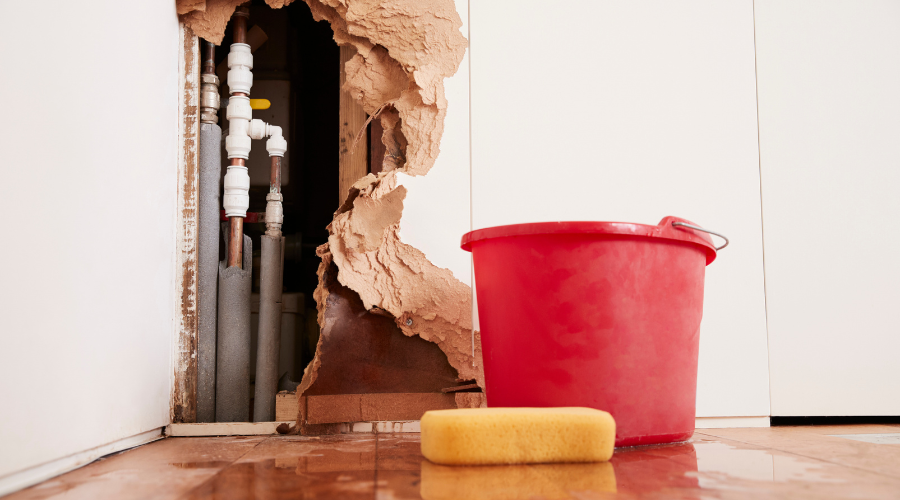
A burst pipe can release a surprising amount of water in a short time, damaging floors, walls, furniture, and personal belongings. If you are dealing with an emergency pipe burst, the first steps are to shut off the water supply, stay away from electrical hazards, protect your belongings if it is safe, and arrange professional plumbing and water damage restoration help. Acting quickly can limit the spread of water and reduce the risk of further property damage.
For homeowners and businesses in Miami, a broken pipe can be especially stressful when water starts spreading through multiple rooms or reaches hidden areas behind walls and under flooring. Knowing what to do before help arrives can make the situation easier to manage.
Rapid Response Restoration helps property owners address water damage and begin the recovery process. Here is a practical guide to follow when a pipe bursts, including what to do immediately, what to avoid, and when professional restoration may be necessary.
What Should You Do Immediately When a Pipe Bursts?
When a pipe breaks, your priority should be safety and stopping additional water from entering the property. You do not need to solve the entire problem yourself. Focus on the immediate steps that can help prevent the damage from getting worse.
1. Shut Off the Main Water Supply
Find your property’s main water shutoff valve and turn it off as soon as possible. It is often located near the water meter, where the main supply line enters the building, or in a utility area. The exact location varies by property.
If you cannot locate the valve or it will not turn, contact an emergency plumber or your water utility for assistance. Do not force a stuck valve, as doing so could cause additional problems.
Once the water is shut off, open nearby faucets if appropriate to help relieve pressure and drain water remaining in the plumbing system.
2. Stay Away From Electrical Hazards
Water and electricity are a dangerous combination. If water is near outlets, electrical appliances, extension cords, or your electrical panel, keep people and pets away from the affected area.
Do not walk through standing water if electrical equipment may be submerged or energized. If you can safely access the breaker panel without entering a wet area, you may be able to switch off power to the affected section. Otherwise, contact a qualified electrician or emergency services for assistance.
3. Protect Your Belongings if It Is Safe
Once the immediate hazards are under control, move small furniture, electronics, rugs, documents, and other valuables away from the water. Place aluminum foil or suitable protective blocks under furniture legs if moving larger items is not practical and the floor conditions allow it.
Avoid carrying heavy furniture through slippery areas or entering rooms where the floor or ceiling appears unstable.
Need help with water spreading through your property?
Contact Rapid Response Restoration to discuss your water damage situation and the next steps for restoration.
How to Handle Water Damage Before Restoration Professionals Arrive
After shutting off the water and making sure the area is safe, there are a few practical steps you can take while waiting for assistance. The goal is to limit further damage without putting yourself at risk.
4. Contain the Water Where Possible
If the leak is small and the area is safe to enter, use buckets, towels, or other suitable materials to catch dripping water and prevent it from spreading into unaffected rooms. If water is coming through a ceiling, do not stand beneath a bulging or sagging section. A waterlogged ceiling can become unstable and may collapse.
Do not cut into ceilings or walls to release trapped water unless a qualified professional has assessed the situation. Hidden electrical wiring, plumbing lines, and structural materials can create additional hazards.
5. Take Photos and Videos of the Damage
Document the affected areas before moving or cleaning anything, provided it is safe to do so. Take clear pictures of the broken pipe, standing water, damaged flooring, wet walls, furniture, and other affected belongings.
Keep receipts for emergency services, temporary supplies, and other related expenses. If you plan to file an insurance claim, contact your insurer promptly and ask about its documentation requirements, coverage, and any preferred procedures.
You should not delay urgent mitigation simply to complete photographs or paperwork. Safety and stopping additional damage come first.
6. Avoid Using Damaged Plumbing Fixtures
If you know which pipe has burst, avoid using connected fixtures until a plumber has inspected the plumbing system and confirmed it is safe to use.
Even after the main supply is turned off, water may remain in the pipes. Avoid restarting the water supply to test the leak yourself. A professional can identify the source, determine whether other plumbing sections have been affected, and carry out the necessary repair.
What Should You Avoid During an Emergency Pipe Burst?
When water is spreading quickly, it is natural to want to clean everything up immediately. However, certain actions can increase the risk of injury or cause additional damage.
-
Do not enter standing water when electrical hazards may be present.
-
Do not use household vacuums or electrical equipment to remove water unless the equipment is specifically designed for that purpose and the area is confirmed safe.
-
Do not ignore wet drywall, carpets, cabinets, or flooring just because the surface appears to be drying.
-
Do not turn the water supply back on before the damaged pipe has been properly assessed and repaired.
-
Do not assume that a small leak cannot cause significant damage. Water can travel behind walls, beneath flooring, and into adjoining rooms.
These precautions are particularly important during an emergency pipe burst involving substantial flooding, damaged ceilings, or water near electrical systems. If the property is unsafe, leave the affected area and seek qualified assistance.
Why Do Broken Pipes in Miami Need Prompt Attention?
Miami properties can experience plumbing problems for several reasons, including aging pipes, corrosion, damaged connections, excessive water pressure, and deterioration of plumbing materials. Construction work or accidental damage can also affect water lines.
When dealing with broken pipes Miami property owners should consider not only the visible leak but also the possibility of moisture spreading into building materials. Water can seep beneath tile, laminate, or hardwood flooring and become trapped in areas that are difficult to inspect without appropriate equipment.
Miami’s warm, humid climate can also make moisture management important after a plumbing failure. Damp materials that remain wet can create conditions that support mold growth. That does not mean every leak will lead to mold, but prompt drying and moisture control can help reduce the risk.
Can a Burst Pipe Cause Hidden Water Damage?
Yes. Water does not always remain where the leak first appears. It can travel along framing, pass through ceiling cavities, collect beneath cabinets, and spread into insulation or wall materials.
A room may look dry while moisture remains inside building materials. That is why professional assessment can be useful after a significant leak, especially when water has affected multiple rooms or remained unnoticed for some time.
If water has spread beyond the original leak, contact Rapid Response Restoration to discuss a professional water damage assessment and the steps needed to begin recovery.
You should arrange professional restoration help when water has spread across floors, soaked building materials, affected several rooms, or entered areas you cannot inspect safely. A restoration team can assess the affected spaces, identify moisture that may not be visible, and recommend appropriate water removal and drying measures.
For a serious emergency pipe burst, restoration work may involve several stages, depending on the extent and type of damage.
Water Extraction
Standing water should be removed as soon as conditions are safe. Restoration professionals use appropriate extraction equipment to remove water from affected floors and other accessible areas.
The equipment and methods needed will depend on the amount of water, the materials involved, and whether the water has been contaminated.
Moisture Inspection and Assessment
After extraction, the affected areas need to be checked for remaining moisture. Moisture meters and other inspection tools can help professionals assess damp building materials and determine where additional drying may be required.
This step is important because water can remain trapped beneath flooring, behind baseboards, or inside walls even after visible puddles have disappeared.
Structural Drying and Monitoring
Air movers and dehumidifiers may be used to help dry affected materials. Restoration professionals can monitor moisture levels and adjust the drying process based on the property’s condition.
Some materials may need to be removed if they cannot be dried effectively or have sustained significant damage. Decisions about removal and repairs should be based on the condition of the materials and the results of the assessment.
Cleaning and Restoration
Once the affected areas have been properly assessed and dried, cleaning, repairs, and other restoration work can begin. The required work may include replacing damaged drywall, repairing flooring, cleaning salvageable belongings, or addressing other affected building components.
The full process varies from one property to another. A small, contained leak may require limited drying and repairs, while extensive flooding can involve a longer restoration project. Learn more about how the water damage restoration process works in Miami .
How Do You Find Water Restoration Near Me in Miami?
When searching for water restoration near me, focus on companies that provide water damage assessment, water extraction, structural drying, and restoration services appropriate to your situation.
Before arranging service, ask what the company can handle, whether it responds to emergencies, how it assesses moisture, and what you should do while waiting for its team. It is also useful to ask how the restoration process will be documented and whether the company can explain the recommended work.
Rapid Response Restoration provides water damage restoration services for properties in Miami and surrounding South Florida communities. The team can help assess water damage and determine the next steps for water removal and recovery.
Have water damage from a broken pipe? Contact Rapid Response Restoration to request assistance and discuss your property’s restoration needs.
How Can You Prevent Another Burst Pipe?
Although not every plumbing failure can be prevented, regular maintenance and early attention to warning signs may help reduce the risk of another incident.
Schedule Plumbing Inspections
Have a qualified plumber inspect older plumbing systems, leaking connections, and pipes showing signs of corrosion or deterioration. If your property has a history of recurring leaks, ask whether specific sections of the plumbing system need repair or replacement.
Pay Attention to Warning Signs
Unexplained increases in water bills, damp patches, water stains, unusual pipe noises, and reduced water pressure can sometimes indicate a plumbing issue. These signs do not always mean a pipe is about to burst, but they deserve attention rather than being ignored.
Know Where Your Main Shutoff Valve Is
Make sure household members or responsible staff know where the main water shutoff valve is located and how to operate it safely. Knowing this information before a leak happens can save valuable time during an emergency.
Address Plumbing Problems Promptly
A small leak, loose connection, or damaged pipe should be assessed by a plumber. Waiting until the problem becomes severe can increase the amount of water released and the extent of the resulting damage.
Frequently Asked Questions About Burst Pipes
How quickly should water damage be addressed after a pipe bursts?
Water damage should be addressed as soon as it is safe to do so. Prompt water removal and drying can help limit damage to building materials and reduce the chance of moisture-related problems. The appropriate response depends on how much water has escaped and which materials have been affected.
Can I clean up the water myself?
You may be able to handle a small amount of clean water if the area is safe and the damage is limited. However, extensive flooding, water near electrical systems, contaminated water, or moisture inside walls and flooring requires professional assessment and may need specialised equipment.
Will my insurance cover a burst pipe?
Coverage depends on your insurance policy, the circumstances of the plumbing failure, and any applicable exclusions. Contact your insurer to confirm your coverage and documentation requirements. Keep photographs, receipts, and records of the damage and mitigation work.
Should I call a plumber or a restoration company first?
If water is actively escaping, stopping the leak is the immediate priority. Contact an emergency plumber to address the broken pipe. If water has spread into floors, walls, ceilings, or belongings, a restoration company can assess the resulting damage and begin appropriate mitigation. Both services may be needed.
Get Help After a Burst Pipe With Rapid Response Restoration
A burst pipe can disrupt your home or business, but taking the right steps early can help limit the damage. Shut off the water supply if it is safe, avoid electrical hazards, document the affected areas, and arrange the necessary plumbing repairs and restoration services.
If you are facing an emergency pipe burst, do not assume that removing visible water is enough. Moisture can remain hidden beneath flooring and inside walls, so a proper assessment can help identify what needs attention.
Rapid Response Restoration provides water damage restoration and water extraction services in Miami and surrounding South Florida communities. Whether you are dealing with a plumbing leak, flooding, or water-damaged building materials, getting the situation assessed promptly can help you understand the work needed to restore your property.
Contact Rapid Response Restoration today to request a free estimate and discuss the next steps for your water damage restoration needs.
