Water damage can spread through a Miami home surprisingly quickly. In some situations, water can begin affecting flooring, drywall, cabinets, insulation, and personal belongings within minutes or hours. The longer moisture remains, the greater the chance of structural damage, odors, and microbial growth.
The first priority is to stop the water source if it is safe to do so, protect people from electrical or structural hazards, remove standing water, and start drying the affected area as soon as possible. For serious damage, professional water damage restoration Miami FL services can help identify hidden moisture and begin extraction and drying before the problem becomes more extensive.
How Quickly Can Water Damage Spread?
Water does not always stay where you first see it. It can move through porous materials, flooring systems, wall cavities, and other pathways that are not immediately visible.
A small leak under a sink, for example, may initially appear to affect only the cabinet. Over time, moisture can reach the flooring beneath it or travel into adjacent walls.
The speed of spread depends on several factors, including:
-
How much water entered the property
-
Whether the water is still actively leaking
-
The type of flooring and building materials
-
Temperature and humidity
-
How long the area remains wet
-
Whether water has entered walls, ceilings, or insulation
In Miami’s warm, humid environment, controlling moisture quickly is particularly important. A room that looks mostly dry on the surface may still contain moisture underneath flooring, behind baseboards, or inside drywall.
For more information about visible warning signs, read what water damage looks like .
What Happens During the First Few Hours?
Within Minutes
Standing water can begin soaking into carpets, rugs, wood products, furniture, and other porous materials almost immediately.
If water comes from a burst pipe, overflowing appliance, or major plumbing failure, the amount of water entering the home can be significant. Moving quickly can help limit how far it travels.
Within Several Hours
Water may move underneath flooring or into walls and cabinets. Materials such as drywall, wood, carpet padding, and insulation can retain moisture even after visible water has been removed.
This is why simply wiping up the water you can see may not solve the entire problem.
After Longer Exposure
Prolonged moisture can contribute to swelling, staining, deterioration of materials, unpleasant odors, and microbial growth. The longer water remains trapped, the more difficult the cleanup and drying process may become.
For extensive damage, Water Damage Restoration Miami FL professionals can use moisture-detection equipment to locate areas that may not be obvious during a visual inspection.
Moisture that remains in a property can also create conditions that encourage mold growth. Learn more about how professional water damage restoration prevents mold growth .
What Should You Do First After Water Damage?
The first few actions can make a meaningful difference.
1. Stop the Water Source
If you can safely identify the source, shut off the appropriate water supply. For a plumbing leak, this may mean turning off a fixture valve or the property’s main water supply.
If the source involves a damaged water heater, appliance, sewage backup, or another complicated situation, avoid taking unnecessary risks.
2. Stay Away From Electrical Hazards
Do not walk through standing water if electrical outlets, appliances, cords, or electrical panels may be affected.
Water and electricity can create a serious safety hazard. If you suspect an electrical problem, contact a qualified professional rather than attempting repairs yourself.
3. Move Valuable Belongings
If it is safe, move furniture, electronics, documents, clothing, and other valuable items away from wet areas.
Do not risk injury trying to move heavy objects or entering an unsafe area.
4. Remove Standing Water
Small amounts of clean water may sometimes be handled with towels or appropriate equipment. Larger amounts usually require faster extraction.
Professional water extraction Miami services can remove standing water and help reduce the amount of moisture remaining in affected materials.
5. Start Drying the Area
Ventilation, air movement, and dehumidification can help remove moisture. However, fans alone may not be enough when water has entered walls, flooring, insulation, or other concealed spaces.
When Should You Call a Water Damage Professional?
A professional assessment makes sense when water has affected multiple rooms, flooring, walls, ceilings, insulation, or valuable belongings.
You should also seek professional help when:
-
A pipe has burst or released a large volume of water
-
Water has entered walls or ceilings
-
The source of the moisture is unknown
-
Sewage or contaminated water is involved
-
Flooring or drywall is visibly swelling
-
Water continues to appear after cleanup
-
There is a persistent musty odor
-
You suspect moisture is trapped beneath flooring
-
The property has been affected by flooding or a major storm
When searching for water damage restoration near me Miami, focus on a company that can address the complete process—not just remove visible water.
Need help with water damage in your Miami property? Contact Rapid Response Restoration to arrange professional water extraction, drying, and restoration assistance before the damage spreads further.
How Does Water Extraction Help?
Water extraction is one of the first important steps after significant water intrusion.
The goal is to remove standing and absorbed water before it continues moving into surrounding materials. Depending on the situation, professionals may use commercial extraction equipment to remove water from carpets, flooring, and other affected areas.
After extraction, drying becomes equally important.
A property can appear dry while moisture remains underneath a floor, inside a wall cavity, or behind cabinets. Moisture measurements and appropriate drying equipment can help determine whether affected areas have actually dried.
For homeowners searching for water extraction South Florida, the important question is not simply how quickly the visible water disappears. The bigger question is whether the affected materials have been properly dried.
Wondering what happens after the water is removed? Read about the water damage restoration process in Miami , from the initial assessment through drying and restoration.
Does Miami’s Humidity Make Water Damage Worse?
Miami’s humid climate can make drying more challenging.
Warm temperatures and high humidity can slow evaporation when indoor moisture is not properly controlled. This means opening windows or running a basic household fan may not always be enough after significant water intrusion.
Professional restoration teams may use air movers and dehumidification equipment to help manage indoor moisture during the drying process.
This is also why a moisture assessment can be valuable after water damage. A dry-looking surface does not necessarily mean the entire affected area is dry.
Can Water Damage Spread to Other Rooms?
Yes. Water can travel beyond the room where the leak started.
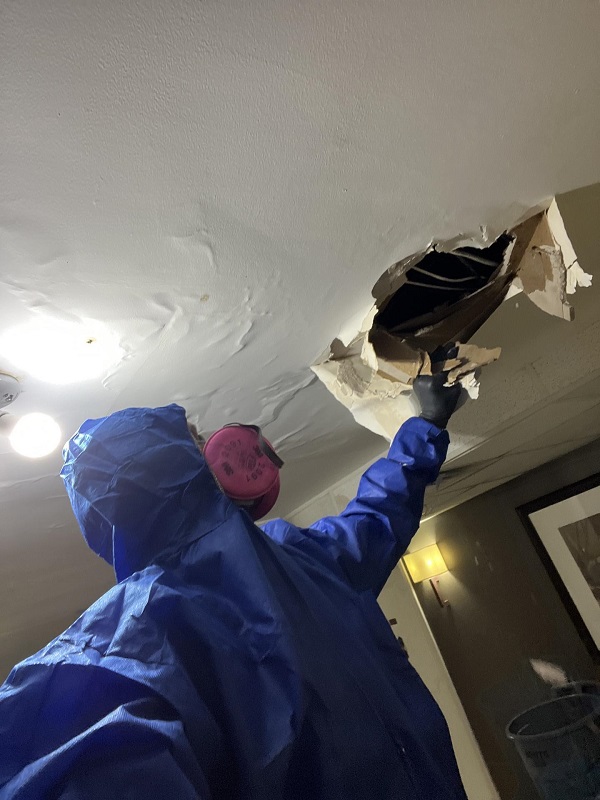
For example, water from a bathroom may move through flooring and affect an adjacent hallway. A plumbing leak inside a wall may affect drywall on both sides. Water from an upstairs area can also move downward into ceilings or lower-level rooms.
The visible damage may therefore be smaller than the actual affected area.
A proper inspection should consider where the water originated, where it traveled, and which materials may have absorbed moisture.
What Is the Difference Between Water Damage Repair and Restoration?
Water damage repair generally refers to repairing or replacing materials that were damaged by water. This can include drywall, flooring, cabinets, trim, or other building components.
Restoration involves the broader process of responding to the water event, including assessment, extraction, drying, cleaning, and restoring affected areas.
If you search for Water Damage Repair Miami FL, remember that repairing damaged materials before the underlying moisture problem is resolved may not address the full issue.
The immediate goal should be to identify the source, remove water, dry the property, and determine what materials can be safely restored or what needs replacement.
Facing a burst pipe, flooding, or serious leak? Reach out to Rapid Response Restoration for prompt help with water extraction and property drying.
What If You Need Help 24/7?
Water damage does not always happen during convenient business hours. A pipe can burst overnight, an appliance can leak while you’re away, or a storm can cause water intrusion after regular business hours.
For urgent situations, searching for 24 hour water damage Miami can help you find restoration assistance when immediate response matters.
If water is actively spreading, do not wait simply because the damage initially looks small. The sooner the source is controlled and excess water is removed, the sooner the property can begin drying.
Rapid Response Restoration provides emergency restoration support for Miami-area properties dealing with unexpected water damage.
How Can You Prevent Water Damage From Becoming Worse?
You cannot prevent every leak or storm-related event, but you can reduce the impact by acting quickly.
Know where your main water shutoff is located. Check washing machine hoses, water heaters, under-sink plumbing, toilets, and other common sources periodically. Keep an eye out for stains, bubbling paint, warped flooring, or unexplained odors.
If you notice moisture, investigate it rather than assuming it will dry on its own.
For significant incidents, professional Water Damage Restoration Miami FL can help identify the extent of the problem and address both visible and hidden moisture.
Frequently Asked Questions
How long does it take for water damage to spread?
There is no single timeline. Water can begin soaking porous materials within minutes, while more extensive damage can develop over several hours or longer. The amount of water, material type, temperature, humidity, and duration of exposure all matter.
Can water damage happen from a small leak?
Yes. A slow leak can cause substantial damage if it continues unnoticed. Hidden plumbing leaks may affect cabinets, flooring, drywall, insulation, and other materials over time.
Air conditioning systems can also contribute to moisture problems. Learn more about water damage from an AC unit and what to watch for around your system.
Should I use a fan after water damage?
Air movement can help, but a household fan may not be enough for significant water intrusion. If moisture has entered walls, flooring, or other concealed areas, professional drying equipment and moisture measurements may be necessary.
Is water damage an emergency?
Major leaks, burst pipes, flooding, sewage backups, and water affecting electrical systems should be treated as urgent situations. Prompt action can help limit the spread of water and reduce secondary damage.
How do I find water restoration near me?
Search for a local restoration company that provides assessment, water extraction, drying, cleanup, and restoration services. Ask what equipment they use and whether they can inspect for moisture that is not visible.
Act Before a Small Leak Becomes a Bigger Problem
Water damage rarely stays exactly where you first notice it. The sooner the water source is controlled, standing water is removed, and affected materials begin drying, the better the chance of limiting further damage.
If your Miami property has experienced a burst pipe, appliance leak, storm intrusion, flooding, or another water emergency, Rapid Response Restoration can help with the next steps. From water extraction to drying and restoration, getting professional assistance early can make the recovery process more manageable.
Need restoration help now? Contact Rapid Response Restoration to schedule an assessment and get your Miami property moving toward a dry, safe condition
