Mold can grow in places you may not notice right away, especially in warm, humid conditions like those common in South Florida. A musty smell, recurring moisture, visible mold, or unexplained water damage can all be warning signs that a larger problem is developing. Mold Remediation Miami FL services may be necessary when mold has spread beyond a small, easily accessible area or continues to return after cleaning. Knowing the warning signs early can help you address moisture problems, prevent further growth, and protect your property.
What Is Mold Remediation?
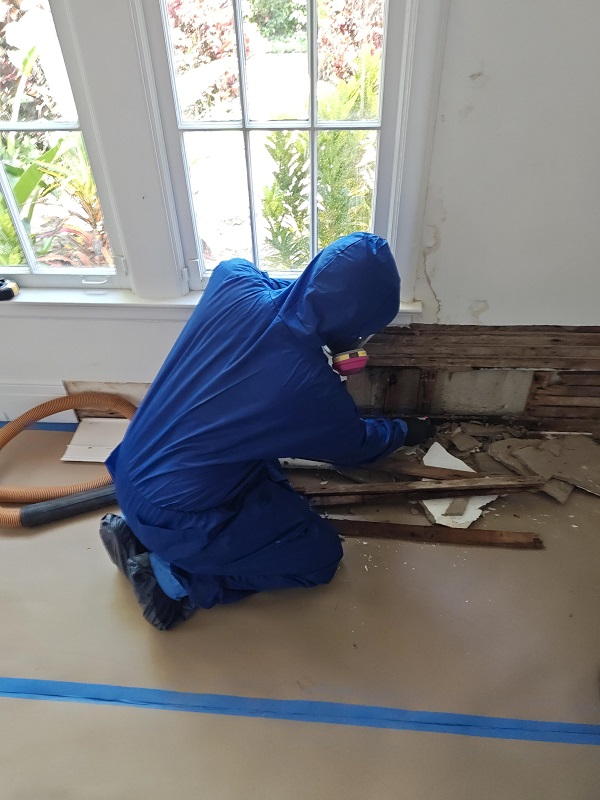
Mold remediation is the process of addressing mold growth and the conditions that allow it to spread. It can involve identifying the moisture source, containing affected areas, removing contaminated materials when necessary, cleaning surfaces, drying the property, and checking that the affected area has been properly addressed.
Simply wiping visible mold away does not always solve the problem. If moisture remains behind walls, under flooring, around HVAC components, or in other hidden areas, mold can continue growing.
For Miami homeowners and businesses, quick action is particularly important because humidity and moisture can create favourable conditions for mold growth. Learn more about what mold is and how it develops.
7 Signs Your Property May Need Mold Remediation
1. You Notice a Persistent Musty Odor
One of the earliest signs of a mold problem is a musty or earthy smell that does not go away.
You may notice the odor in a room, closet, basement, bathroom, crawl space, or near an HVAC system. Sometimes there is no obvious visible mold, but the smell suggests that moisture and microbial growth could be present somewhere nearby.
If the smell becomes stronger when a room has been closed for several hours, investigate the area rather than simply covering the odor with air fresheners.
A professional mold inspection Miami service can help determine where moisture or suspected mold may be located when the source is not immediately visible.
2. You Can See Mold on Walls, Ceilings, or Other Surfaces
Visible mold is an obvious warning sign, but the size and location of the growth matter.
Small areas can sometimes be associated with surface moisture, while larger or recurring growth may indicate an ongoing moisture problem. Mold can appear in different colours, including black, green, white, brown, or gray.
Pay particular attention to:
-
Areas around leaking pipes or fixtures
-
Ceiling stains beneath a roof or plumbing leak
-
Window frames and damp walls
-
Bathrooms with poor ventilation
-
Areas affected by previous flooding
-
Materials that remain damp after water damage
If you see extensive growth or mold in porous materials, avoid disturbing it unnecessarily. Professional assessment can help determine the appropriate next step.
Need Help With a Mold Problem?
If you have visible mold or a persistent musty odor, Rapid Response Restoration can assess the situation and help determine what needs to be done. Contact us today to schedule an assessment and take the next step toward a cleaner, drier property.
3. Your Property Has Experienced Water Damage
Water damage and mold often go hand in hand.
A leaking roof, burst pipe, overflowing appliance, plumbing failure, storm damage, or flooding can introduce large amounts of moisture into a property. Even when standing water is removed quickly, moisture can remain inside drywall, insulation, flooring, cabinets, and other materials.
That hidden moisture can create favourable conditions for mold growth.
If your property recently experienced water damage, drying the affected areas as soon as possible is important. An emergency restoration company Miami property owners trust can help with water extraction, structural drying, moisture assessment, and related restoration needs.
If your property has standing water, learn more about water extraction services in Miami .
If mold is already present, the cleanup process should address both the growth and the moisture source.
4. Mold Keeps Coming Back After Cleaning
Have you cleaned a moldy area only to see the growth return a few days or weeks later?
Recurring mold usually means something has not been fully addressed. There may be a continuing leak, excess humidity, condensation, poor ventilation, or moisture trapped behind a surface.
Cleaning the visible area may make the problem look better temporarily, but it does not necessarily remove the underlying cause.
This is one reason Mold Remediation Miami FL professionals focus on more than the visible growth. Identifying where moisture is coming from is an important part of preventing repeated problems.
If mold repeatedly returns in the same location, it is worth investigating instead of repeatedly treating the surface. You can also read about how professional water damage restoration helps prevent mold growth .
5. You Find Water Stains, Peeling Paint, or Damaged Materials
Your property may show signs of moisture before you see mold.
Brown or yellow ceiling stains, bubbling paint, warped flooring, swollen drywall, peeling wallpaper, or damaged baseboards can all indicate that water has entered an area where it should not be.
These signs are particularly important when they appear alongside a musty odor.
Water-damaged materials can retain moisture for longer than expected, particularly when airflow is limited. If you notice these changes, identify and correct the source of the water before replacing cosmetic materials.
For properties with significant moisture damage, professional mold removal Miami services may be appropriate after the affected area has been assessed.
Don’t Wait for Mold to Spread
If water stains, damp materials, or recurring moisture are getting worse, contact Rapid Response Restoration today . Early assessment can help you understand the source of the problem and determine what action is needed.
6. Your Property Has High Humidity or Poor Ventilation
Miami’s warm, humid climate can make moisture control especially important.
Indoor humidity that remains high can contribute to condensation and create conditions where mold can grow. Bathrooms, kitchens, laundry rooms, closets, and areas around air-conditioning systems can be particularly vulnerable.
Poor ventilation can make the problem worse by allowing moisture to linger.
Using exhaust fans, keeping air-conditioning systems properly maintained, addressing leaks quickly, and controlling indoor humidity can all help reduce moisture-related risks.
If you notice condensation on windows, walls, pipes, or other cool surfaces, do not ignore it. Repeated condensation can indicate that moisture levels or ventilation need attention.
If you suspect your HVAC system may be contributing to indoor air or moisture concerns, learn more about air duct cleaning services .
7. You Suspect Hidden Mold After a Leak or Flood
Not all mold is visible.
Mold may develop behind drywall, beneath flooring, inside cabinets, around pipes, under carpets, or in other concealed areas after a water event. This can make the problem difficult to identify without looking at the property’s moisture history and physical signs.
If you had a significant leak or flood and later notice a musty odor, staining, or recurring dampness, hidden mold should be considered.
This is particularly important after prolonged water exposure. Depending on the situation, black mold removal Miami property owners need may involve professional assessment and controlled removal rather than simply wiping the affected surface.
If flooding caused the moisture problem, learn more about flood damage restoration .
Mold Remediation vs. Mold Removal: What’s the Difference?
People often use the terms interchangeably, but they can describe different parts of the cleanup process.
Mold removal generally refers to physically removing mold-contaminated materials or cleaning affected surfaces.
Mold remediation takes a broader approach. It can include identifying the moisture source, controlling the affected area, removing or cleaning contaminated materials, drying the property, and taking steps to reduce the chance of the mold problem returning.
The right approach depends on the size of the affected area, the materials involved, the source of moisture, and the condition of the property.
When Should You Call a Professional?
Consider getting professional help when:
-
Mold covers a large area or keeps returning.
-
Mold is associated with significant water damage.
-
You suspect mold is hidden behind walls or flooring.
-
Porous building materials have been heavily affected.
-
There is a persistent musty odor without an obvious source.
-
A leak or flooding event has left areas damp.
-
You are unsure whether the affected area can be safely cleaned.
Professional assessment can help determine whether the issue is a small surface problem or something requiring a broader cleanup. You can learn more about mold assessment and inspection services .
What Should You Do If You Find Mold?
First, avoid disturbing a large area of suspected mold unnecessarily. Do not sand, scrape, or aggressively clean extensive growth, as disturbing contaminated materials can spread particles.
Next, look for the source of moisture. A leaking pipe, roof issue, appliance, condensation problem, or previous flood may need to be addressed before cleanup can be considered complete.
If the affected area is extensive or the source is unclear, professional assistance can provide a clearer path forward.
For property owners dealing with mold after water damage, Mold Remediation Miami FL services can address the affected area while also focusing on moisture control and property drying.
Is Mold Remediation Necessary for Every Mold Problem?
No. Not every small instance of household mold requires a large-scale remediation project.
The appropriate response depends on factors such as the amount of mold, where it is located, the type of material affected, whether the moisture source has been corrected, and whether the growth keeps returning.
A small amount of surface mold caused by condensation may be handled differently from widespread growth following flooding.
When in doubt, getting the situation assessed can help prevent unnecessary work while ensuring a significant moisture or mold problem is not overlooked.
Protect Your Miami Property From Recurring Mold
Mold problems are often connected to moisture problems. Fixing the source, drying affected materials, improving ventilation, and responding quickly to leaks can reduce the conditions that allow mold to develop.
If your property has experienced flooding, persistent humidity, recurring mold, or hidden moisture, Mold Remediation Miami FL services from Rapid Response Restoration can help you determine the appropriate next step.
FAQ Section
1. What are the signs that a property needs mold remediation?
Common signs include persistent musty odors, visible mold, recurring mold growth, water damage, moisture stains, high humidity, and suspected hidden mold.
2. Can mold grow after water damage?
Yes. Mold can develop when water or moisture remains in materials such as drywall, flooring, insulation, or carpeting after a leak, flood, or other water event.
3. Is mold removal the same as mold remediation?
Not exactly. Mold removal generally refers to cleaning or removing contaminated materials, while remediation also addresses the moisture source and steps needed to prevent recurring growth.
4. When should I call a professional for mold?
Professional help may be appropriate when mold covers a large area, keeps returning, follows significant water damage, or may be growing behind walls, flooring, or other hidden areas.
5. Can mold come back after it has been cleaned?
Yes. Mold can return if the underlying moisture problem has not been corrected. Fixing leaks, controlling humidity, and properly drying affected materials are important.
Get Help With Mold Today
Don’t wait until a small moisture issue becomes a larger property problem. Reach out to Rapid Response Restoration today to discuss your mold concerns and schedule an assessment.
Rapid Response Restoration helps Miami-area property owners respond to water and mold-related damage with practical restoration solutions focused on getting affected spaces dry, clean, and ready for the next stage of recovery.
If you need mold remediation Miami Beach , assistance after water damage, or help determining whether you need professional mold removal in Miami, acting early can make the situation easier to manage.
