Water damage can lead to mold growth within 24 to 48 hours if moisture is not removed properly. Professional water damage restoration services in Miami help dry affected areas, remove damaged materials, and restore safe indoor conditions before mold has a chance to spread. Acting quickly protects your home, your belongings, and your indoor air quality.
Whether the damage comes from a burst pipe, roof leak, flooding, or appliance failure, the right restoration process can prevent costly mold problems later. At Rapid Response Restoration, every restoration project focuses on fast response, thorough drying, and long-term protection for your property.
Why Mold Develops After Water Damage
Mold needs three things to grow:
- Moisture
- Organic materials like drywall or wood
- Warm temperatures
Miami’s humid climate creates ideal conditions for mold once water enters a property. Even after visible water disappears, hidden moisture behind walls, under flooring, or inside insulation can continue feeding mold colonies.
This is why simply removing standing water isn’t enough. Proper drying and moisture detection are essential.
How Professional Water Damage Restoration Stops Mold Before It Starts
The goal of professional restoration is not only to clean up water but also to remove every source of moisture that mold depends on.
Immediate Water Extraction
The first priority is removing standing water as quickly as possible.
Industrial extraction equipment removes water from:
- Carpets
- Hardwood flooring
- Tile surfaces
- Cabinets
- Crawl spaces
The faster water is removed, the lower the risk of mold development.
Moisture Detection Beyond Visible Water
Many homeowners assume everything is dry because surfaces appear dry.
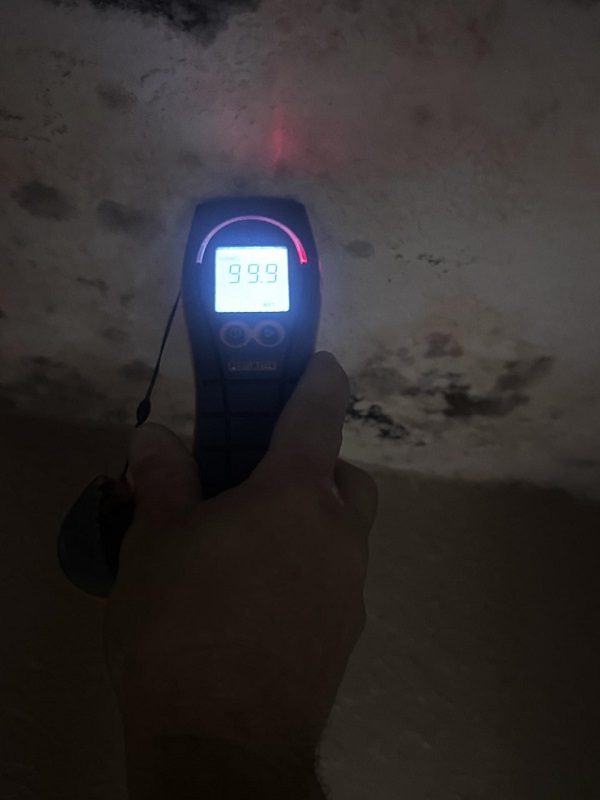
Professionals use moisture meters and thermal imaging equipment to locate hidden moisture inside:
- Drywall
- Ceiling cavities
- Wall framing
- Concrete slabs
- Subfloors
This prevents moisture from remaining trapped where mold commonly begins growing.
Professional Drying Makes the Difference
Household fans cannot remove moisture deep inside building materials.
Professional drying equipment includes:
- Commercial air movers
- Industrial dehumidifiers
- Negative air machines
- Air scrubbers when necessary
These systems reduce humidity levels while removing moisture from structural materials.
This stage is one of the biggest reasons professional water damage restoration Miami, FL services are more effective than DIY cleanup.
Hidden Moisture Creates Long-Term Problems
Even a small amount of trapped moisture can lead to:
- Mold growth
- Wood rot
- Drywall deterioration
- Musty odors
- Damaged insulation
Professional drying continues until moisture readings confirm materials have reached acceptable levels.
Why Quick Response Matters
Time is one of the biggest factors after water damage.
General timelines include:
- Within 24 hours: Water begins soaking into building materials.
- 24–48 hours: Mold spores may begin growing.
- After several days: Mold spreads into walls, flooring, insulation, and furniture.
Choosing 24-hour water damage Miami services helps reduce damage before it becomes more expensive to repair.
When Mold Remediation Becomes Necessary
Sometimes water damage isn’t addressed immediately.
If mold has already started growing, drying alone will not solve the problem.
Professional mold remediation Miami services may include:
- Containment of affected areas
- Safe removal of contaminated materials
- Air filtration
- Cleaning structural surfaces
- Antimicrobial treatments
- Final moisture verification
Properly removing mold helps prevent it from returning.
Signs You May Already Have Mold
Many property owners don’t notice mold until it has spread.
Watch for:
- Persistent musty smells
- Dark spots on walls or ceilings
- Peeling paint
- Increased allergy symptoms indoors
- Warped drywall
- Soft flooring
If you notice these warning signs, scheduling a mold inspection in Miami can identify the source before the problem grows larger.
Water Damage Situations That Commonly Lead to Mold
Several types of water damage increase mold risk.
Burst Pipes
Water often travels behind walls before becoming visible.
Without professional drying, mold may begin growing inside wall cavities.
Roof Leaks
Even a slow roof leak can soak insulation and ceiling materials over time.
Many homeowners don’t notice the problem until stains appear indoors.
Flooding
Floodwater introduces moisture along with bacteria and contaminants.
Flood restoration typically requires specialized cleaning and drying procedures.
Appliance Leaks
Water heaters, washing machines, refrigerators, and dishwashers frequently leak into flooring and cabinets where moisture remains hidden.
HVAC Problems
Air conditioning systems can create excess condensation that contributes to indoor moisture if drainage problems occur.
Why DIY Cleanup Often Misses Hidden Damage
Cleaning visible water with towels or rental fans may seem effective, but moisture often remains trapped beneath surfaces.
Professional restoration teams use specialized equipment that reaches areas homeowners cannot access.
DIY cleanup may leave behind:
- Wet insulation
- Damp framing
- Moist drywall
- Saturated subfloors
- Humid indoor air
These hidden conditions allow mold to continue growing long after cleanup appears complete.
Many people searching for water damage restoration near me Miami are dealing with recurring mold caused by incomplete drying after earlier water damage.
What Happens During Professional Restoration?
Every property is different, but most projects follow a structured process.
- Emergency inspection and damage assessment
- Water extraction
- Moisture detection
- Removal of damaged materials when necessary
- Industrial drying and dehumidification
- Cleaning and sanitizing affected areas
- Final moisture testing
- Restoration of damaged materials
An experienced emergency restoration company in Miami focuses on stopping additional damage before beginning repairs.
Protecting Your Property After Restoration
Once the restoration is complete, homeowners can reduce future mold risks by following a few preventive steps.
Maintain Indoor Humidity
Keep humidity below 60 percent whenever possible.
Air conditioning and dehumidifiers help control moisture during Miami’s humid seasons.
Fix Plumbing Leaks Quickly
Small leaks can cause hidden water damage over time.
Regular inspections help catch problems early.
Check Roofing After Storms
Miami storms often damage roofing materials.
Early repairs prevent water from entering the home.
Inspect Appliances
Replace worn hoses and inspect connections regularly.
Improve Ventilation
Bathrooms, kitchens, and laundry rooms should have proper ventilation to reduce excess moisture.
When Should You Schedule Mold Inspection?
Not every water damage event results in visible mold immediately.
A professional mold inspection in Miami is recommended if:
- Water remained for more than 24 hours
- The property experienced flooding
- You notice musty odors
- Family members experience indoor allergy symptoms
- Previous water damage was never professionally dried
Early inspections often prevent larger restoration costs.
Can Mold Return After Restoration?
Yes—but only if moisture returns.
Professional drying and restoration remove existing moisture, but future plumbing leaks, roof damage, or flooding can create new mold conditions.
Routine inspections and prompt repairs help keep properties protected.
If mold has already spread significantly, many homeowners also search for mold remediation near me Miami to safely remove contamination before repairs begin.
Why Experience Matters
Restoration is more than removing water.
Experienced restoration professionals understand:
- Building materials
- Moisture movement
- Drying science
- Mold prevention
- Safe restoration practices
- Insurance documentation
At Rapid Response Restoration, the focus is on restoring properties efficiently while reducing the risk of future mold issues through proven drying methods and careful moisture monitoring.
Take Action Before Mold Has Time to Spread
Water damage rarely stays in one place. Moisture moves into walls, flooring, insulation, and structural materials where mold can begin growing quickly. Fast action helps limit repairs, protects indoor air quality, and reduces long-term restoration costs.
Need help after water damage? Contact Rapid Response Restoration for a professional property assessment and prompt restoration services. The sooner moisture is removed, the better the chance of preventing mold and protecting your home or business.
Frequently Asked Questions
How quickly does mold grow after water damage?
In many situations, mold can begin growing within 24 to 48 hours if affected materials remain wet.
Is drying with household fans enough?
Usually not. Professional equipment removes hidden moisture inside walls, flooring, and structural materials that household fans cannot reach.
When should I call for professional restoration?
Immediately after noticing water damage. Fast response reduces structural damage and lowers the risk of mold growth.
Does every water damage situation require mold remediation?
No. If moisture is removed quickly and materials are properly dried, mold remediation may not be necessary. However, delayed cleanup often increases the likelihood of mold development.
Can water damage affect indoor air quality?
Yes. Excess moisture and mold growth can contribute to poor indoor air quality, musty odors, and allergy-related symptoms if not addressed promptly.
