When disaster strikes, few things are as devastating as severe water damage. Whether you’re a small business owner, a property developer, or a resident, the aftermath of flooding can leave you questioning whether repairs will suffice or if total reconstruction is the only path forward. Flood Damage Restoration in Bal Harbour is a topic that’s become increasingly important as unpredictable weather and rising sea levels impact our coastal communities. In this comprehensive guide, we’ll explore when repairs are enough, when reconstruction is necessary, and how to make the right decision for your property. We’ll also cover the restoration process, the signs that indicate a building is beyond repair, and how to safeguard your investment for the future. By the end, you’ll have a clear understanding of how to navigate flood recovery and restoration, ensuring your property is safe, resilient, and ready for whatever comes next.
Flood Damage Restoration in Bal Harbour
Flood Damage Restoration in Bal Harbour is a critical service for property owners facing the aftermath of water intrusion. The area’s proximity to the ocean and its low elevation make it especially vulnerable to flooding, whether from hurricanes, heavy rains, or plumbing failures. When water invades a building, it can compromise the structure, damage electrical systems, and create a breeding ground for mold and bacteria. The first step in any restoration process is a thorough assessment by professionals who understand the unique challenges of coastal properties. They evaluate the extent of damage, the type of water involved (clean, gray, or black), and the potential for hidden issues behind walls or under floors. This evaluation is essential for determining whether restoration is possible or if total reconstruction is necessary. Working with a trusted partner like Rapid Response Restoration ensures you receive expert guidance and swift action, minimizing downtime and loss. The restoration process typically involves water extraction, drying, dehumidification, and sanitization, followed by repairs or rebuilding as needed. For many property owners, quick intervention can mean the difference between salvaging a structure and starting from scratch. However, not all damage is visible at first glance, and some buildings may be too compromised to restore safely. Understanding the full scope of flood damage restoration in Bal Harbour is the foundation for making informed decisions about your property’s future.
Flood Damage Restoration in Bal Harbour, FL
In the region, flood damage restoration is more than just a cleanup job, it’s a comprehensive process that addresses structural integrity, health risks, and long-term resilience. Local restoration experts are trained to handle the unique environmental factors present in this part of Florida, including high humidity, salt air, and the potential for recurring storms. The process begins with an emergency response to stop further water intrusion and stabilize the property. Next, specialists use advanced moisture detection tools to find hidden pockets of water that could cause future problems. After water extraction, industrial-grade dehumidifiers and air movers are deployed to dry out the building thoroughly. Sanitization is crucial, especially when floodwaters contain contaminants or sewage. Once the structure is dry and safe, professionals assess which materials can be salvaged and which must be replaced. In some cases, drywall, insulation, flooring, and even framing need to be removed to eliminate mold and prevent future decay. The restoration process is not only about returning a property to its previous state but also about improving its ability to withstand future events. Flood Damage Restoration in Bal Harbour, FL, often includes recommendations for upgrades like waterproofing, sump pumps, and elevated electrical systems. These enhancements can protect your investment and reduce the risk of future losses. By working with experienced local professionals, property owners can ensure that every step of the restoration process is handled with care, expertise, and attention to detail.
Flood Damage Restoration in Bal Harbour Florida
Flood Damage Restoration in Bal Harbour Florida goes beyond simple repairs, encompassing a holistic approach to property recovery. The climate in this part of the state presents unique challenges, such as persistent moisture, salt corrosion, and the threat of future flooding. Restoration professionals in the area are equipped with specialized knowledge and tools to address these issues effectively. Their work begins with a detailed inspection to identify all areas affected by water, including those not immediately visible. This thoroughness is vital for preventing mold growth and structural deterioration. The restoration process includes removing water-damaged materials, treating surfaces with antimicrobial solutions, and using state-of-the-art drying equipment to ensure no moisture remains. In cases where the damage is extensive, experts may recommend partial or complete reconstruction to restore the property’s safety and value. Flood Damage Restoration in Bal Harbour Florida also involves working closely with insurance providers to document damage and streamline the claims process. This collaboration helps property owners receive the compensation they need to rebuild quickly and efficiently. By taking a comprehensive approach to restoration, professionals help ensure that properties are not only repaired but also fortified against future disasters. Their expertise is invaluable for anyone seeking to protect their investment and maintain the long-term health of their building.
When Repairs Are No Longer Enough
There comes a point when repairs simply won’t restore a property to a safe and functional state. After severe flooding, some buildings may suffer from hidden structural weaknesses, extensive mold infestations, or irreparable damage to critical systems like electrical wiring and plumbing. In these situations, patching up the visible damage can mask deeper problems that threaten the safety and longevity of the building. Signs that repairs may not be sufficient include persistent musty odors, warped or buckling floors, sagging ceilings, and recurring mold growth despite repeated treatments. If walls remain damp long after drying efforts or if the foundation has shifted, these are red flags that the integrity of the structure has been compromised. In some cases, local building codes may require demolition and reconstruction if the damage exceeds a certain percentage of the property’s value. Insurance adjusters and restoration experts can help property owners assess whether repairs are feasible or if total reconstruction is the only viable option. Making the right call is crucial for protecting occupants’ health, preserving property value, and avoiding costly problems down the road. When in doubt, seek a second opinion from a qualified structural engineer or restoration specialist who understands the unique challenges of flood damage restoration in this community.
Key Signs a Building Is Beyond Repair
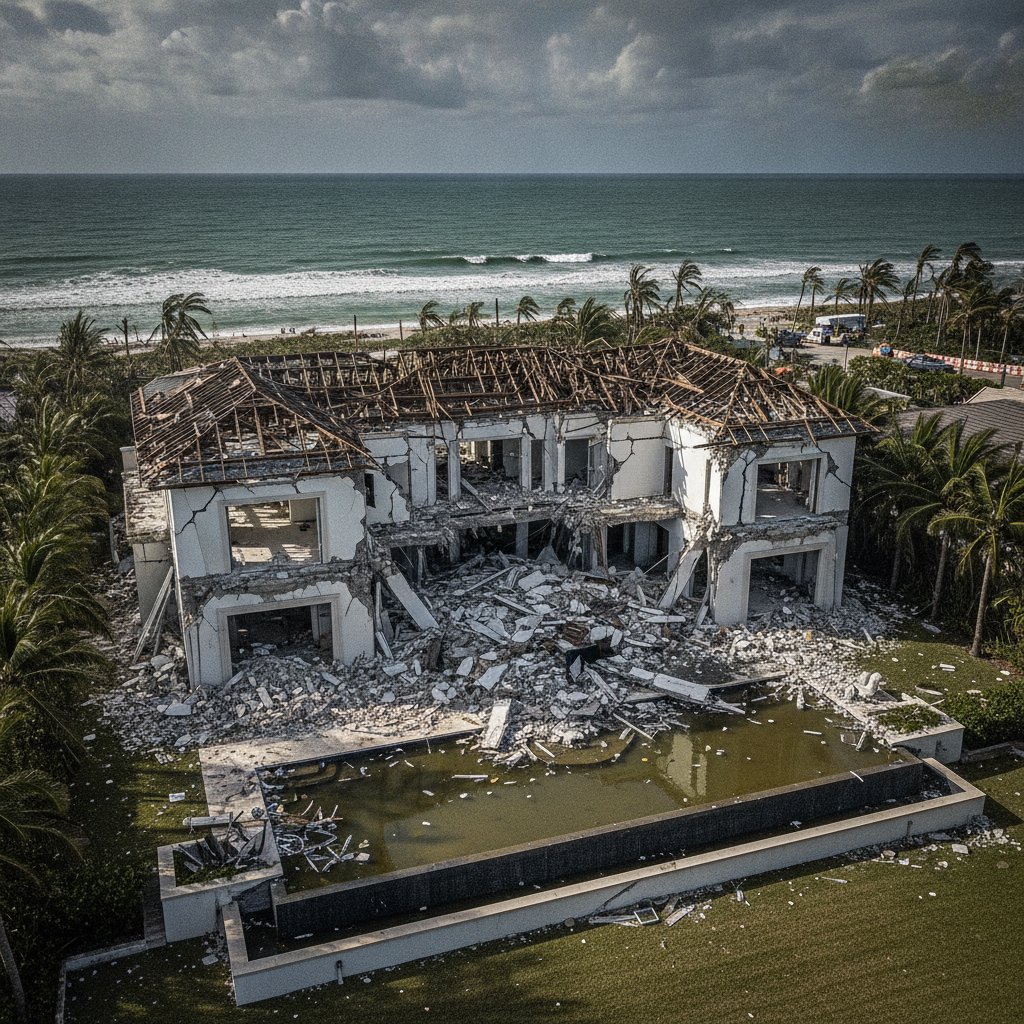
Determining when a building is beyond repair is a critical step in the flood recovery process. While some damage is obvious, such as collapsed roofs or severely warped floors, other signs are more subtle but equally important. Persistent water stains on walls and ceilings, even after drying efforts, suggest that moisture is trapped within the structure. Mold that returns despite thorough cleaning and remediation indicates that spores have penetrated deep into building materials. Cracks in the foundation, shifting walls, or doors and windows that no longer close properly can signal significant structural movement caused by water damage. Electrical systems exposed to floodwaters may pose a fire hazard, especially if corrosion has set in. In addition, if the cost of repairs approaches or exceeds the value of the building, reconstruction is often the most practical solution. Restoration professionals use a combination of visual inspections, moisture meters, and structural assessments to determine the true extent of the damage. By identifying these key signs early, property owners can avoid investing in repairs that won’t address underlying issues, ensuring a safer and more reliable outcome for everyone involved.
The Decision Process: Repair or Rebuild?
Choosing between repairing and rebuilding after a flood is one of the most challenging decisions property owners face. The process begins with a thorough evaluation of the damage, considering both visible and hidden issues. Restoration professionals will assess the condition of the foundation, framing, electrical systems, and plumbing to determine whether repairs can restore the building to a safe and functional state. Insurance policies often play a significant role in this decision, as coverage limits and requirements may dictate what is financially feasible. In some cases, local building codes require reconstruction if the damage exceeds a certain percentage of the property’s total value. Other factors to consider include the age of the building, the likelihood of future flooding, and the potential for upgrading to more resilient materials and designs. Consulting with engineers, contractors, and insurance adjusters can provide valuable insights and help property owners make informed choices. Ultimately, the goal is to ensure the safety, durability, and value of the property for years to come. Taking the time to weigh all options and gather expert opinions is essential for making the best decision in the aftermath of a flood.
Understanding the Reconstruction Process
When total reconstruction is necessary, understanding the process can help property owners set realistic expectations and plan accordingly. Reconstruction begins with the demolition of damaged materials, ensuring that all compromised elements are safely removed. This step is followed by a detailed inspection of the remaining structure to identify any additional repairs needed before rebuilding can begin. Next, contractors work with architects and engineers to design a new layout that meets current building codes and incorporates modern safety features. The construction phase involves rebuilding the foundation, framing, walls, and roof, followed by the installation of electrical, plumbing, and HVAC systems. Throughout the process, quality control inspections ensure that every aspect of the project meets or exceeds industry standards. Once the structure is complete, finishing touches such as flooring, paint, and fixtures are added to restore the property’s appearance and functionality. The entire reconstruction process can take several months, depending on the size and complexity of the project. By working with experienced professionals who specialize in flood damage restoration in this city, property owners can ensure a smooth and successful recovery.
Cost Comparison: Repair vs. Reconstruction
One of the most pressing concerns for property owners facing flood damage is the cost of restoration versus reconstruction. While repairs may seem more affordable initially, hidden damage and recurring problems can quickly drive up expenses. On the other hand, reconstruction involves higher upfront costs but often results in a safer, more resilient building. To help clarify the differences, the following table compares key factors in both approaches:
| Factor | Repair | Reconstruction |
|---|---|---|
| Initial Cost | Lower | Higher |
| Time to Complete | Shorter | Longer |
| Longevity | May be limited | Typically longer |
| Resale Value | May decrease | May increase |
| Insurance Coverage | Varies | Varies |
This comparison highlights the importance of considering both short-term and long-term costs when deciding between repair and reconstruction. Consulting with restoration professionals and insurance providers can help ensure you make the most cost-effective choice for your property’s recovery.
Working With Insurance After a Flood
Navigating insurance claims after a flood can be a daunting task, especially when dealing with extensive property damage. The first step is to document all damage thoroughly, including photos, videos, and detailed notes. This documentation will be essential when filing your claim and working with adjusters. It’s important to review your policy carefully to understand what is covered and any exclusions that may apply. Some policies may cover only certain types of water damage, while others may require additional riders for full protection. Restoration professionals experienced in flood damage restoration in this community can assist with the claims process, providing detailed reports and estimates that support your case. Prompt communication with your insurance company is key to ensuring a smooth and timely settlement. Be prepared to answer questions about the cause of the damage, the extent of repairs needed, and any steps you’ve taken to mitigate further loss. In some cases, disputes may arise over coverage amounts or the scope of work required. If this happens, consider hiring a public adjuster or legal counsel to advocate on your behalf. By staying organized and proactive, property owners can maximize their insurance benefits and expedite the recovery process.
Future-Proofing Your Property
After experiencing flood damage, many property owners are eager to take steps to prevent future losses. Future-proofing your property involves a combination of structural upgrades, landscape modifications, and ongoing maintenance. Consider elevating electrical systems, installing sump pumps, and using water-resistant building materials during repairs or reconstruction. Landscaping can also play a role in flood prevention by directing water away from the foundation and reducing soil erosion. Regular maintenance, such as cleaning gutters and inspecting the roof, helps identify potential vulnerabilities before they become major problems. Investing in flood insurance and staying informed about local flood risks can provide additional peace of mind. Restoration professionals who specialize in flood damage restoration in this area can recommend tailored solutions based on your property’s unique needs. By taking a proactive approach, you can protect your investment, ensure the safety of occupants, and minimize the impact of future storms. These measures not only reduce the risk of future damage but also enhance the value and resilience of your property for years to come.
The Road Ahead
Recovering from flood damage is a complex journey that requires careful planning, expert guidance, and a willingness to make tough decisions. Whether you choose to repair or rebuild, understanding the process and working with experienced professionals is essential for a successful outcome. Flood Damage Restoration in Bal Harbour is more than just a service, it’s a lifeline for property owners facing the challenges of water intrusion and structural compromise. By staying informed, investing in future-proofing measures, and partnering with trusted experts, you can navigate the recovery process with confidence. Remember, the right decision today can safeguard your property, your investment, and your peace of mind for years to come. As you move forward, prioritize safety, resilience, and long-term value, ensuring your property is prepared for whatever the future may hold.
